

Introduction to CIBIL and its role in credit reporting
CIBIL (Credit Information Bureau India Limited) is a leading credit information company in India established in 2000. It is a joint venture between TransUnion International Inc. and several Indian financial institutions, such as the State Bank of India, HDFC, and ICICI Bank, among others. CIBIL collects credit information from various sources, such as banks, financial institutions, credit card companies, and other lenders. It aggregates this data to create credit reports and scores for individuals and companies. These reports and scores help lenders assess a borrower’s creditworthiness based on payment history, credit utilization, outstanding debt, and credit history.
Understanding the CIBIL Commercial report and its importance for companies
The CIBIL Commercial report is a credit report that provides detailed information about the creditworthiness of companies. It is an essential tool for lenders to assess the credit risk associated with lending to a particular company. The report includes the company’s credit history, outstanding debt, payment behavior, and other financial data. CIBIL Commercial reports are widely used by banks, financial institutions, and other lenders in India to evaluate a company’s creditworthiness before extending credit. By assessing a company’s creditworthiness, lenders can determine the level of risk associated with lending to the company and make informed credit decisions.
Companies need to maintain a good credit score and a positive credit history. A good credit score reflects a company’s ability to repay loans and other credit facilities on time, which is an essential factor in building trust with lenders. Positive credit history also helps companies access credit facilities more easily, enabling them to grow and expand their business.
What information does the CIBIL Commercial report include?
The CIBIL Commercial report is a comprehensive credit report that provides detailed information about a company’s creditworthiness. The report includes various factors that help lenders assess the credit risk of lending to a particular company. Here are some of the key pieces of information that are included in the CIBIL Commercial report:
- Company Information: This section provides basic information about the company, such as its legal name, registration number, and address.
- Credit History: This section provides information about the company’s credit history, including its previous loan and credit card accounts, the amount of credit taken, and the payment history
- Outstanding Debt: This section provides information about the company’s outstanding debt, including the amount owed, the type of debt, and the repayment history.
- Payment Behavior: This section provides information about the company’s payment behavior, including the frequency of payments, the number of payments, and any late payments.
- Credit Utilization: This section provides information about the company’s credit utilization, which is the amount of credit used compared to the total amount of credit available.
- CIBIL Rank: The CIBIL Rank is a three-digit numeric summary of a company’s credit history and creditworthiness. It ranges from 1 to 10, with 1 being the highest rank and 10 being the lowest.
- Credit Score: The credit score is a numeric representation of a company’s creditworthiness. It ranges from 300 to 900, with a higher score indicating better creditworthiness.
Overall, the CIBIL Commercial report provides a comprehensive overview of a company’s creditworthiness, enabling lenders to make informed credit decisions.
Importance of Commercial CIBIL Report
A commercial CIBIL report is vital for businesses to secure credit and maintain financial stability. Here’s why it matters:
- Facilitates access to credit for businesses and MSMEs by providing a detailed company credit report.
- Enables lenders to create pre-approved offers based on a company’s commercial CIBIL score.
- Speeds up loan approvals via insights from the TransUnion CIBIL system.
- Helps businesses with strong scores negotiate better interest rates.
- Assists lenders in managing credit risks through commercial CIBIL CMR ratings and other metrics of CMR (CIBIL MSME Rank).
- Monitors liquidity risks, offering an early warning system for potential financial issues.
The CIBIL Rank: How it’s calculated and what it means for a company’s creditworthiness
The CIBIL Rank is a three-digit numeric summary of a company’s credit history and creditworthiness. The CIBIL Rank ranges from 1 to 10, with 1 being the highest and 10 being the lowest. A higher CIBIL Rank indicates a better credit score and a lower risk of default.
The CIBIL Rank is calculated based on the company’s credit history, outstanding debt, payment behavior, and credit utilization. The CIBIL Rank is calculated using an algorithm considering various factors to determine a company’s creditworthiness. The algorithm considers the following factors:
- Credit History: A company’s credit history is crucial in determining its creditworthiness. The CIBIL Rank considers the number of credit accounts, the types of credit accounts, and the company’s payment history.
- Outstanding Debt: The amount of outstanding debt is another important factor that affects a company’s creditworthiness. The CIBIL Rank considers the amount of outstanding debt and the ratio of outstanding debt to the total credit available to the company.
- Payment Behaviour: The payment behavior of a company is also an essential factor that affects its creditworthiness. The CIBIL Rank considers the frequency of payments, the number of payments, and any late payments or defaults.
- Credit Utilisation: The credit utilization ratio is the amount used compared to the total credit available to the company. The CIBIL Rank considers the credit utilization ratio, which should ideally be below 30% for a company to be considered creditworthy.
A company with a CIBIL Rank of 1 is considered to have an excellent credit score, while a company with a CIBIL Rank of 10 is considered to have a poor credit score. Lenders consider a company’s CIBIL Rank when deciding whether to lend to the company and at what interest rate. A higher CIBIL Rank can help companies negotiate better loan terms and other credit facilities.
How is a Company Credit Report Different from a Consumer Credit Report?
Both consumer CIBIL score reports and company credit reports serve a unique purpose but are structured differently:
| Consumer Credit Report | Company Credit Report |
| Contains a consumer CIBIL score, determining individual loan or credit card eligibility. | Includes a CIBIL score which measures the creditworthiness of companies. |
| Issued to individuals with personal credit exposure. | Issued to businesses, including MSMEs and corporations. |
| Refreshed monthly for accuracy. | Updated weekly to provide lenders with recent data. |
| Does not include GST details. | Contains GST details pulled from the GST portal. |
| Accessible in multiple languages. | Available only in English. |
Difference Between CIBIL Score and CIBIL Rank
While the consumer CIBIL score and commercial CIBIL ranking share some similarities, they differ in purpose and calculation:
| CIBIL Score | CIBIL Rank |
| This applies to individuals and reflects their creditworthiness for personal loans or credit cards. | Designed for businesses, the CIBIL MSME Rank (CMR) evaluates the eligibility for business loans. |
| Ranges from 300 to 900, where 900 indicates excellent credit health. | Ranges from 1 to 10, with a CMR being the most reliable and CMR 10 the riskiest. |
| Monthly updates ensure timely tracking. | Updated weekly, reflecting more recent financial activity. |
| Requires prior credit exposure, like loans or credit cards. | Assigned to companies with active credit exposure between Rs. 10 lakh and Rs. 50 crore. |
Who Can Access Your Company Credit Report?
Access to such a report is restricted to ensure privacy and protect the financial data of businesses. The following parties can access the report:
- Only authorised personnel, such as stakeholders or financial officers of the company, can retrieve this report using the registered mobile number and email ID from the GST portal.
- Lenders may access this report during credit approval processes after verifying the borrowing entity’s details.
- Verification is done through OTP-based validation tied to the GSTIN portal, ensuring that only eligible users can access the report.
Prerequisites to Getting Your Business Credit Report
To access this report, businesses need to provide several critical details and documents. Here’s a detailed guide:
- The company must furnish the company PAN as part of the verification process.
- A valid GSTIN username and OTP are required for authentication through the GST portal.
- The commercial bank login mandates the customer’s full name and mobile number to verify their identity.
- Accurate company GSTIN details need to be provided to ensure the commercialCIBIL report is updated and error-free.
How to Check Company CIBIL Report?
To access the company CIBIL score and report, follow these steps:
- Log in to the commercial CIBIL bank login platform or register as a member using the TransUnion CIBIL commercial login portal.
- Provide the company’s GSTIN details, PAN, and registered mobile number.
- Authenticate using the OTP received on the registered mobile and email.
- Pay the necessary fees as there is no free company CIBIL report. Then you can access the detailed commercial credit information report, including the company’s GST details.
- Regular monitoring of the business CIBIL score and knowing how to check CMR rating are crucial for maintaining a strong financial profile.
How to Improve Your Company Credit Score?
A high comercial CIBIL ranking reflects a company’s credibility and financial discipline. Here are tips to enhance your score:
- Always repay loans and credit dues on time. This ensures a good corporate CIBIL rating.
- Maintain a low credit utilisation ratio, keeping it below 30% to positively impact the score.
- Avoid frequent hard credit inquiries to maintain a stable commerical CIBIL score.
- Review your company CIBIIL report regularly for errors and discrepancies.
- Build long-term relationships with lenders and improve your company’s vintage to boost the ranking.
By adhering to these guidelines, businesses can maintain a favourable credit rating and improve access to financial opportunities.
How to Raise a Grievance Related to a Company Credit Report?
Errors in commercial CIBIL reports can arise due to administrative mistakes by either the lender or CIBIL itself. Here’s how to raise a grievance effectively:
- Log in to the TransUnion CIBIL portal using your registered credentials.
- Fill out the ‘Online Dispute Resolution form’ and specify the sections needing corrections in the report.
- Submit the form, and CIBIL will flag the relevant sections with “Under Dispute.”
- CIBIL will then contact the lender for verification and clarification regarding the dispute.
- If the lender accepts the dispute, CIBIL will update the credit score and remove the discrepancies from the commercial CIBIL ranking.
Conclusion: Why the CIBIL Commercial report is a valuable tool for companies
In conclusion, the CIBIL Commercial report is a valuable tool for companies as it provides a comprehensive overview of their credit history and creditworthiness. The report helps companies understand their credit standing and identify areas for improvement. The CIBIL Rank, in particular, is a crucial factor that lenders consider when assessing a company’s creditworthiness. Companies with a higher CIBIL Rank are more likely to get credit facilities at better terms. Therefore, regularly checking and monitoring the CIBIL Commercial report can help companies make informed credit decisions and maintain a healthy credit profile. Are you looking for quick and hassle-free access to working capital finance for your small business? Look no further than LENDINGKART Finance Limited. Our innovative use of technology and analytics tools can help assess your creditworthiness based on your current year’s cash flows and business growth. Contact us today to learn how we can help your business grow!
How to Check CIBIL Score Using PAN Card for Free
Business Loan for Low CIBIL Score or Bad Credit
How to Improve your CIBIL Score Immediately?
Company Credit Report (CCR) – Improve CIBIL Rank & Report for Company
What is a Good CIBIL Score to Get a Loan?
How to Check and Improve CIBIL Credit Score for Business Loan?
CIBIL Score for Business Loan – Check Minimum Credit Score
CIBIL Dispute Resolution – How to Raising & Resolving, Status
CIBIL Commercial Report FAQs:
1. Do companies get CIBIL scores?
2. What is CMR4 rank in CIBIL?
3. Which CIBIL score is used by banks?
Learn More:
Working Capital Loan EMI Calculator
Loan for Chartered Accountants
Accounts Receivable Financing
Best Free Accounting Software for Small Business
Difference between tin tan vat pan dsc and din
epf balance
form 15g
Fssai License
Business Ideas for Women
10 Business Ideas after Lock Down
Business Skills are Needed to Run Business
Business loan for women
Agriculture business plan
Dairy farm loan
Mudra Loan
Small Scale Industries in India
GST Registration Online
Aadhar Card Status
PAN Card Correction & Update
Aadhaar Card Download
PAN Card Apply Online
Instant PAN Card through Aadhaar
PAN Card Mistakes – To Avoid
How to Link Aadhaar with PAN Card
PAN Card Details Search By Name, DoB, PAN Number & Address
What is a Cancelled Cheque
Related Articles
Difference Between Commercial and Consumer CIBIL
Know the key distinctions between commercial and consumer CIBIL reports, and how they impact loan approval for individuals and businesses.

What is a Company Credit Report?
Explore the significance of a company credit report, how it is generated, and why it matters for business loan approvals and vendor relationships.
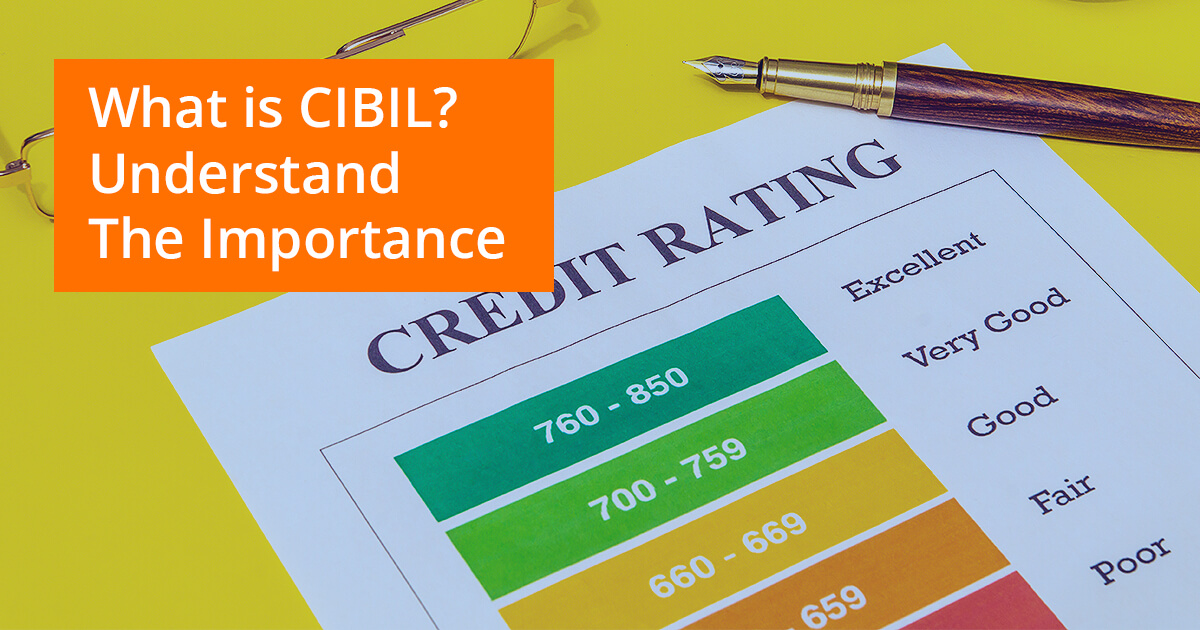
What is a CIBIL Score?
Understand what a CIBIL score is, how it’s calculated, and the role it plays in securing personal and business loans from financial institutions.