
One of the main benefits of digital banking is how convenient it has now become to send and receive money through National Electronic Funds Transfer (NEFT) and other methods of electronic fund transfer. Thanks to internet banking and mobile banking, you no longer need to visit a bank in person or wait in line for hours to transfer money.
Methods like NEFT and RTGS have made immediate funds transfers possible. However, before you use any of these electronic fund transfer methods, you need to be aware of the charges involved. In this article, we will discuss RTGS fees in particular. Let us begin with an introduction to RTGS and its key features before exploring what the charges for RTGS are.
What is RTGS?
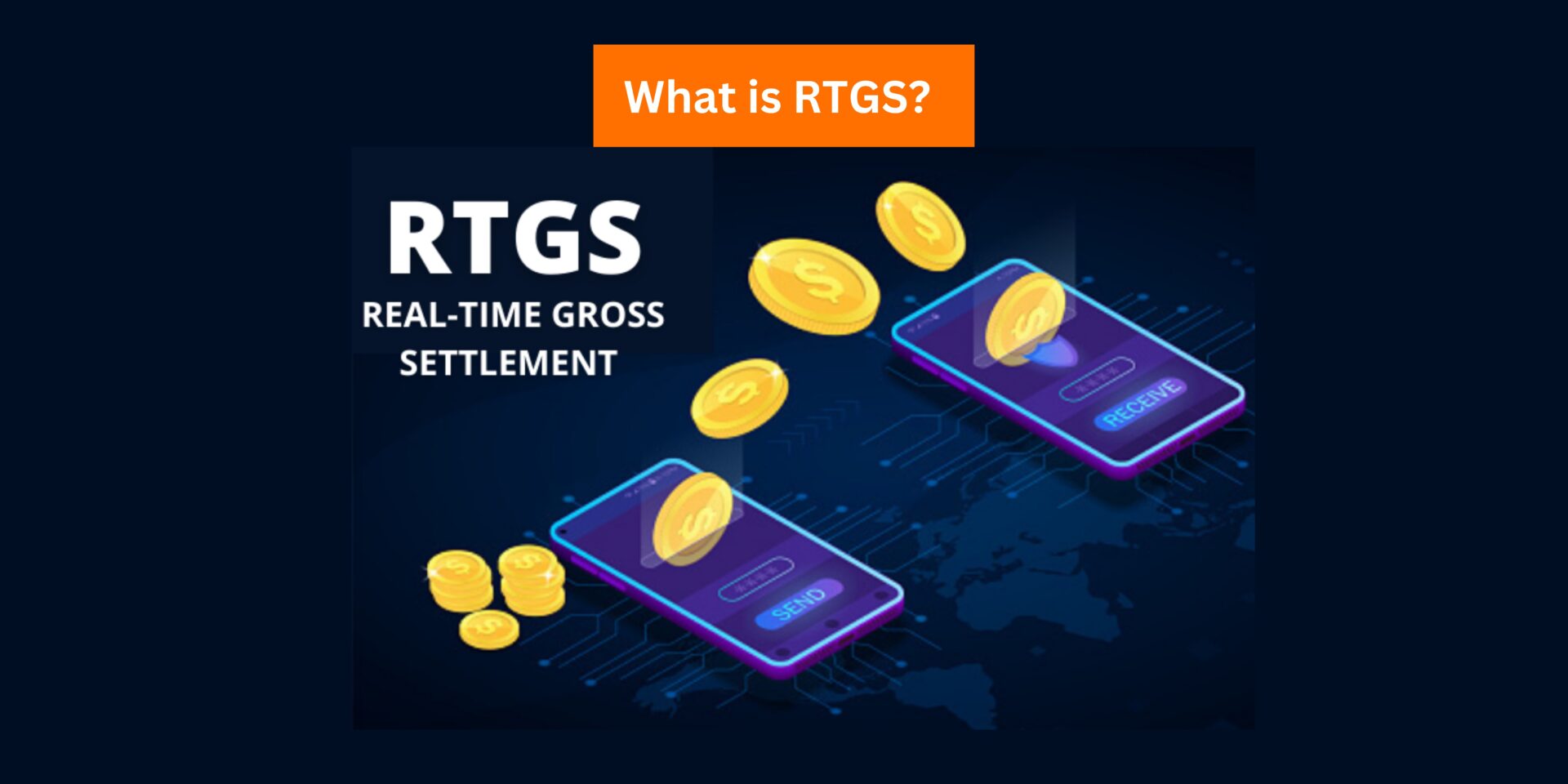
The full form of RTGS is Real-Time Gross Settlement. As indicated by the name of this bank-to-bank money transfer method, the settlement of payments via RTGS occurs on a real-time basis. Unlike NEFT, RTGS payments are not settled in batches. You can use RTGS for various purposes like sending funds to a friend in need, paying your bills, or even making purchases online. That said, whenever you initiate an online fund transfer via RTGS, you need to be aware of the fund transfer charges, if any.
- Purpose
The main purpose of RTGS is to support bank account transfers from one bank account holder to another. Since the payments are settled in real time, you can use this bank transfer method to make immediate payments or send money almost instantly.
- Minimum Transfer Limit
In addition to the charges for RTGS, you must also be aware of the RTGS limits in India. The minimum amount you can transfer via RTGS is ₹2 lakhs. This makes RTGS suitable for transferring large sums of money.
There is no official upper limit. However, banks may set their own maximum RTGS limits per day or per transaction. So, ensure that you check with your bank and remain updated about their specific RTGS limits, if any.
- Availability
The RTGS electronic fund transfer mode is available 24/7. This means if you opt to send money online via RTGS, you can use this payment method on any day, at any time — on all 365 days of the year. There is no availability issue even on weekends or banking holidays.
What Are RTGS Charges?
RTGS charges are the fees that you may have to pay for RTGS payments. These costs are not specified by the Reserve Bank of India (RBI), so they vary from one bank to another. In fact, as per the RBI’s latest guidelines, any payment made through RTGS via internet banking or mobile banking is exempt from RTGS fees. However, offline RTGS payments initiated at bank branches may still be subject to RTGS charges.
- Who Levies Them?
Although the RBI supervises the RTGS method for transferring large sums of money, the central bank does not levy any charges, per se. The onus of levying RTGS charges lies with the bank offering this facility. So, ensure that you check with your bank and remain aware of the RTGS fees plus GST, if any.
- Applicability
Charges for RTGS are typically not applicable for online bank-to-bank transfers. This includes RTGS payments made via mobile banking and internet banking. However, offline transfers through bank branches may be subject to RTGS fees, depending on the policies of the bank offering the facility. Let us discuss this in more detail.
RTGS Charges for Online vs Offline Transfers
Bank account transfers made as RTGS payments are subject to RTGS fees as outlined below:
- Online Transfers
Online transfers are typically not subject to RTGS charges. This means you can initiate RTGS fund transfers online without worrying about any additional fees or goods and services tax (GST).
- Offline Transfers
Offline transfers are generally subject to RTGS fees. This is because offline transfers made at bank branches involve more paperwork and utilise more of the bank’s resources like manpower. However, the charges for RTGS payments made offline are subject to the limits specified by the RBI.
RBI Guidelines on RTGS Charges
The RBI has set upper limits on the amount of RTGS fees that banks can levy for different transaction amounts. Goods and services tax will be applicable on the charges for RTGS. Check out the details of the central bank’s guidelines on these charges below.
| Amount of RTGS Payment | Maximum Service Fee Permitted for Inward Remittances | Maximum Service Fee Permitted for Outward Remittances |
| ₹2 lakhs to ₹5 lakhs | Nil | ₹24.50 plus GST |
| Above ₹5 lakhs | Nil | ₹49.50 plus GST |
Bank-Wise RTGS Charges in India
As mentioned earlier, the RTGS charges levied in India differ from one bank to another. Check out the table below to get a better idea of the fund transfer charges levied by different banks in the country.
| Bank Name | Online RTGS Charges | Offline RTGS Charges |
| State Bank of India | Nil | ₹20 plus GST for transactions between ₹2 lakhs and ₹5 lakhs₹40 plus GST for transactions above ₹5 lakhs |
| Indian Bank | ₹24.50 plus GST for transactions between ₹2 lakhs and ₹5 lakhs₹49.50 plus GST for transactions above ₹5 lakhs | |
| Indian Overseas Bank | ₹24 plus GST for transactions between ₹2 lakhs and ₹5 lakhs₹49 plus GST for transactions above ₹5 lakhs | |
| HDFC Bank | Nil | ₹15 plus GST |
| ICICI Bank | Nil | ₹20 plus GST for transactions between ₹2 lakhs and ₹5 lakhs₹45 plus GST for transactions above ₹5 lakhs |
| Axis Bank | Nil | ₹25 plus GST for transactions between ₹2 lakhs and ₹5 lakhs₹50 plus GST for transactions above ₹5 lakhs |
| Punjab National Bank | ₹24 plus GST for transactions between ₹2 lakhs and ₹5 lakhs₹49 plus GST for transactions above ₹5 lakhs | ₹24.50 plus GST for transactions between ₹2 lakhs and ₹5 lakhs₹49.50 plus GST for transactions above ₹5 lakhs |
| Canara Bank | ₹24.50 plus GST for transactions between ₹2 lakhs and ₹5 lakhs₹49.50 plus GST for transactions above ₹5 lakhs | |
| Bank of Baroda | ₹24.50 plus GST for transactions between ₹2 lakhs and ₹5 lakhs₹49.50 plus GST for transactions above ₹5 lakhs | |
| IDFC First Bank | Nil | |
Who Pays RTGS Charges?
When transferring large sums of money, especially for business or urgent personal needs, Real Time Gross Settlement is often the go-to option. But speed and priority come at a cost, and knowing who bears that cost is key. Whether you’re sending funds to close a property deal or making a high-value vendor payment, it’s worth understanding who bears the onus of the RTGS fees. Here’s the breakdown.
- Outward RTGS (Sender to Another Account):
The sender pays the RTGS charges, if applicable. Charges may vary by the bank and the mode (branch vs online). Most banks waive charges for online RTGS payments made via net/mobile banking.
- Inward RTGS (Receiving Account):
No RTGS fees are levied in this case. As per the RBI’s rules, beneficiaries are not charged for receiving RTGS payments.
RTGS Charges vs NEFT Charges: A Comparison
Although the National Electronic Funds Transfer and Real-Time Gross Settlement are both digital modes to transfer money, they are different from one another in many ways. Here is a table comparing the two modes of sending funds.
| Parameters | Real-Time Gross Settlement (RTGS) | National Electronic Funds Transfer (NEFT) |
| Transfer Limit | Minimum ₹2 lakh; No maximum limit | No minimum limit; Maximum limit as per the bank’s policy |
| Type of Settlement | Real-time, individual transactions | Batch-wise, hourly (24×7) |
| Timings | 24×7, including weekends/holidays | 24×7, including weekends/holidays |
| Charges | Within ₹24.50 to ₹49.50 per transaction, if any (plus GST) | Usually ₹2.5 to ₹25 per transaction, if any (plus GST) |
| Speed | Almost instant (may sometimes take up to 30 minutes) | Usually settled within 30 minutes (may sometimes take up to 2 hours) |
| Best For | High-value, urgent transfers | Regular transfers of smaller amounts |
Note: As per RBI guidelines, banks are not allowed to charge for inward transactions under both RTGS and NEFT. Outward charges (if any) vary across banks and some banks waive them off for online transactions.
How to Avoid RTGS Charges?
Avoiding RTGS transfer charges is easier if you go digital. Remember, bank-to-bank transfers through a branch almost always come with a fee, while the same done online is usually free or cheaper.
Most banks waive fees for online fund transfers via net banking or mobile apps, especially for high-value RTGS transactions. When transferring large sums of money, always check if your bank offers zero-charge online transfer options. Many private and public banks do this to promote the use of digital channels and reduce manual processing overheads.
Another smart hack is to use immediate funds transfer options during banking hours when servers are less loaded. This ensures smoother processing and avoids delays that may lead to failed transactions or retries, which may attract additional bank charges.
Some banks also have premium accounts or special schemes that offer free RTGS transactions up to a certain RTGS limit. If you’re regularly making bank transfer payments, talk to your relationship manager or check online for your eligibility. Also, keep an eye on the fine print. Some charges are listed as ‘fund transfer charges plus GST,’ which may not be obvious until you see the debit alert.
Conclusion
The bottom line is that RTGS charges vary from one bank to another. If your banking partner does not charge for online or offline RTGS payments, that’s a convenient advantage. However, make sure you check with your bank’s support team to ensure that you are aware of the fees involved, if any. This way, you can account for the cost of account-to-account transfers.
Related articles
What is RTGS?
Learn the full form of RTGS, how Real Time Gross Settlement works, and why it’s used for high-value, time-sensitive bank transfers in India.

RTGS Timings in India
Check the latest RTGS transfer timings for weekdays, weekends, and bank holidays — plus key rules and limits for sending money via RTGS.

NEFT vs RTGS vs IMPS
Compare India’s top bank transfer methods — NEFT, RTGS, and IMPS — based on transfer speed, availability, limits, and ideal use cases.