
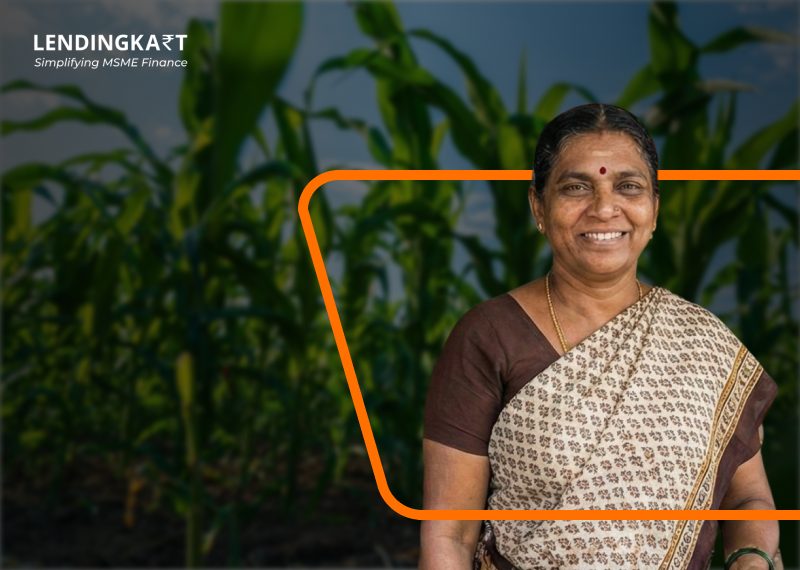
The backbone of India’s economy lies in its villages, where agriculture and its allied sectors play a pivotal role in employment and livelihoods. In recent years, rural entrepreneurship has emerged as a transformative force, providing innovative solutions to rural challenges and driving economic growth beyond urban centres. Among the most promising areas is the rise of agro allied business financing, which supports ventures that complement traditional farming, like dairy, poultry, beekeeping, aquaculture, and food processing.
However, the journey of rural entrepreneurs is not without hurdles. One of the most persistent challenges remains access to timely and appropriate funding. Whether through rural business loans, agribusiness loans in India, or rural startup funding, ensuring credit flows to this sector is essential for inclusive growth. Financial empowerment of rural entrepreneurs does not just elevate individual businesses; it stimulates regional development and contributes to national prosperity.
What Is Rural Entrepreneurship?
Rural entrepreneurship refers to the creation and management of business ventures in non-urban areas, often centred around agriculture, allied industries, handicrafts, or local services. These enterprises contribute significantly to job creation, local development, and curbing rural-to-urban migration.
What sets these entrepreneurs apart is their ability to leverage local resources, solve community-specific problems, and build inclusive value chains. Many such ventures begin as family-run operations and evolve into scalable, market-ready businesses with proper support and access to funding.
Within this ecosystem, agro-allied businesses play a vital role. These include dairy farms, sericulture, food processing units, animal husbandry, fisheries, mushroom cultivation, and organic composting units. Such enterprises do not depend solely on farming seasons and provide year-round income, making them resilient and essential to India’s evolving rural economy.
For example, a farmer in Tamil Nadu running a poultry-cum-fish farming unit can earn a steady monthly income while employing others locally, demonstrating the impact of rural entrepreneurship in action.
Why Agro-Allied Businesses Need Targeted Financing
Agro-allied ventures have varied capital requirements depending on the business model. At the start-up stage, funds are needed for buying equipment, livestock, seeds, or raw materials. As the business matures, capital is needed for packaging units, cold storage, branding, and distribution networks. Without targeted support, these businesses struggle to grow beyond a subsistence model.
Key challenges include:
- Lack of credit history or formal banking relationships
- Limited awareness of agro allied loan schemes
- Seasonal fluctuations impacting repayment capacity
- Distance from financial institutions
- Lack of mentors or professional business plans
This is where finance for rural entrepreneurs becomes crucial. Credit accessibility can decide whether a farmer scales her dairy business or remains stuck at the subsistence level. Many entrepreneurs also fail to tap into a suitable MSME loan for agro-allied sectors due to complex eligibility criteria or a lack of knowledge.
Robust rural enterprise funding must therefore address both supply and demand-side barriers to financing.
Key Financing Options for Agro-Allied Entrepreneurs
India offers a wide array of schemes and institutions focused on agro allied business financing. These include:
- PM Formalisation of Micro Food Processing Enterprises (PMFME):
This scheme provides a 35% credit-linked capital subsidy up to Rs. 10 lakh for individual units and support for SHGs and FPOs involved in food processing. It’s a flagship agro allied loan scheme under Atmanirbhar Bharat.
- Kisan Credit Card (KCC):
Initially introduced for crops, the KCC has been extended to include livestock and fisheries. It offers easy access to working capital at low interest rates. Many agribusiness loans in India are now integrated with KCC benefits.
- Rural Infrastructure Development Fund (RIDF):
Managed by NABARD, RIDF provides loans to State Governments to develop rural infrastructure, indirectly boosting productivity and reducing costs for entrepreneurs.
- Startup India and MUDRA Yojana:
These programs cater to micro enterprises through easy, collateral-free rural MSME loan options. The Shishu, Kishore, and Tarun stages under MUDRA ensure phased support based on business size. They are also ideal for first-time applicants seeking a government loan for agro-allied business.
- Sub-Mission on Agricultural Mechanisation (SMAM):
Offers financial support for machinery purchase, vital for agro-processing units and small-scale food industries.
With schemes like these, rural entrepreneurship schemes 2025 are being redefined to align with India’s digital and sustainable growth ambitions.
NBFCs and Microfinance Institutions
Non-Banking Financial Companies (NBFCs) and Microfinance Institutions (MFIs) are critical drivers of last-mile financial inclusion:
- Provide fast-track rural business loans without complex paperwork
- Accept alternative credit scores or social trust factors
- Offer collateral free rural MSME loan options
- Disburse funds through mobile wallets or direct bank transfers
These institutions often work closely with farmer collectives and SHGs, streamlining access to finance for rural entrepreneurs. Their flexible repayment, aligned with crop cycles, helps reduce default risk.
Several agri-focused NBFCs like Samunnati and Avanti offer customised loan products for agro-processors, dairy cooperatives, and agri-tech startups.
Cooperative Banks and Regional Rural Banks (RRBs)
RRBs and cooperative banks are among the most traditional yet relevant financial institutions in rural India. Their advantages include:
- Localised decision-making and understanding of community needs
- Participation in NABARD-supported rural financing programs India
- Specialised products under the agro allied startup loan process
Despite bureaucratic paperwork and limited digitisation, they remain a viable source of government loan for rural business financing. Some also offer subsidy-linked products and interest subvention benefits.
Alternative Funding Sources
- Self-Help Groups (SHGs) and Joint Liability Groups (JLGs):
These collectives pool savings and enable peer-backed lending. For women entrepreneurs, especially, SHGs are a cornerstone of rural entrepreneurship and grassroots finance.
- Producer Companies and Farmer Collectives:
Legally registered farmer producer organisations (FPOs) can apply for loan subsidies for rural entrepreneurs, bulk buy resources, and market produce collectively.
- Impact Investors and Agri-Focused NBFCs:
Investors increasingly fund scalable agro-enterprises with social impact. These partnerships often include market access, training, and risk-sharing models.
Such sources complement institutional lending and help solve how to finance agro allied venture in non-traditional ways.
How to Prepare for a Rural Business Loan
To successfully apply for any agro allied business financing, rural entrepreneurs must follow structured steps:
- Develop a Business Plan:
Outline your enterprise’s goals, market research, financials, and scalability. This helps meet documentation criteria for agro allied loan schemes and creates investor confidence.
- Assemble Key Documentation:
PAN, Aadhaar, land titles or rental deeds, SHG registration, bank statements, and previous loan documents (if any). These are crucial for proving agribusiness loan eligibility in India.
- Understand the Application Journey:
Each scheme has a different agro-allied startup loan process. Visit bank branches or consult the Udyam portal, MSME Facilitation Centres, or NABARD support desks.
- Check for Local Assistance:
Reach out to KVKs, DICs, or NGO partners for help. They also assist with rural financing programs in India, including documentation and training.
- Use Digital Platforms:
Use fintech platforms like LendingKart to explore and compare rural business loans, understand eligibility, and upload documents seamlessly. These tools are helping modernise access to rural enterprise funding across India.
The future of rural entrepreneurship is bright if fueled with the right kind of financial support. India’s agro-allied sector holds immense untapped potential, and targeted interventions through agro-allied business financing will be critical for sustainable growth.
From rural startup funding to modern fintech-enabled rural business loans, today’s ecosystem provides many opportunities for determined entrepreneurs. Whether applying for an MSME loan for agro-allied initiatives or accessing a government loan for rural business programs, rural innovators now have more support than ever.
Ultimately, when we invest in the aspirations of farmers, artisans, and rural youth, we create a ripple effect, spurring innovation, reducing poverty, and building resilient local economies. The time to bet on rural entrepreneurship is now.