
Debt consolidation can be a helpful solution for individuals overwhelmed by multiple debts. However, applying for a business finance loan requires careful consideration and planning to avoid pitfalls. In this article, we’ll explore the common mistakes people make when applying for debt consolidation loans and how to receive the most favorable small business loan interest rates.
What Is a Debt Consolidation Loan?
A debt consolidation loan is a financial tool that combines multiple debts into a single loan, ideally with a lower interest rate. Instead of managing multiple payments to various creditors, borrowers make one monthly payment to the lender. These consolidation loans can simplify finances, saving borrowers money on interest and reducing the stress of juggling multiple due dates.
How Debt Consolidation Works
It works by taking out a new loan to pay off existing debts. This new loan typically has a lower interest rate than the combined rates of the original debts, making it easier for borrowers to manage their payments and save money in the long run.
When multiple debts are combined into one payment, borrowers can simplify their finances and concentrate on a solo repayment plan. This method is not just about making money matters easier; it also has the possible outcome of big savings in the future by lowering interest expenses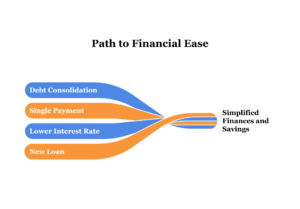
Risks of Debt Consolidation
While debt consolidation can offer benefits, it’s essential to understand the risks involved. One common risk is taking on more debt than necessary, leading to a larger financial burden in the long term. Additionally, suppose borrowers fail to address the root cause of their debt. In that case, they may find themselves in a cycle of borrowing and repayment without making any progress on their financial goals.
Also Read: Understanding Credit Risk in India
Top 10 Common Consolidation Loan Mistakes to Avoid
1. Not Researching Lenders:
Failing to shop around and compare offers from multiple lenders can result in higher interest rates and less favourable terms. Taking the time to compare offers from multiple lenders ensures that borrowers make an informed decision that aligns with their financial goals and find the most affordable small business loan interest rates.
2. Ignoring Credit Score:
Your credit score plays a significant role in determining the interest rate you qualify for. A low credit score may lead to higher interest rates or even rejection from lenders. Borrowers must understand their creditworthiness and take steps to improve their score before applying for a consolidation loan.
3. Not Considering Fees:
Failing to account for external fees can lead to unexpected expenses. Overlooking fees associated with consolidation loans can lead to financial burdens. Origination fees – fees paid to a lender to process a loan application, in particular, can add to the overall cost of the loan and should be factored into the decision-making process when selecting a lender.
4. Not Having a Repayment Plan:
Without a clear repayment plan in place, consolidating debt may only provide temporary relief and could worsen financial stress in the long run. Developing a realistic repayment strategy helps borrowers stay on track and avoid defaulting on their loan obligations.
5. Using Home Equity:
Using home equity as collateral for a consolidation loan poses a significant risk, as failure to make payments could result in the loss of the borrower’s home. Borrowers should carefully consider alternative options that do not put their primary residence at risk.
6. Consolidating Government Student Loans:
Consolidating government student loans with private loans may seem appealing, but it can lead to the loss of valuable benefits and protections offered by federal loan programs. Borrowers with student loans should carefully weigh the pros and cons before opting for consolidation.
7. Continuing Bad Financial Habits:
Simply consolidating debt without addressing present financial habits is unlikely to lead to long-term success. Borrowers need to identify and address the root causes of their debt to avoid falling back into the same cycle of financial instability.
8. Opting for Longer Loan Terms:
While longer loan terms may lower monthly payments, they can result in paying more interest over time. Borrowers should carefully consider the trade-offs between lower monthly payments and higher overall interest costs when choosing a capital finance loan.
9. Not Reading the Fine Print:
Reading the fine print of loan agreements is essential to avoid unpleasant surprises later on. Terms such as prepayment penalties or variable interest rates can significantly impact the cost of the SME loan and should be thoroughly understood before signing any agreements.
10. Ignoring Alternatives:
Debt consolidation isn’t the only option. Research alternatives to debt consolidation, such as debt management plans or negotiation with creditors, can provide more solutions to individual financial situations. Borrowers need to consider all available options before committing to a consolidation loan.
For many small businesses, securing financing can be a challenge due to lengthy applications and strict eligibility criteria. Lendingkart eases this burden for SMEs by providing a user-friendly platform that streamlines the loan application process. They evaluate a business’s financial health and customise loan products to fit specific needs. This emphasis on accessibility empowers MSMEs to obtain the capital necessary for growth, bypassing the traditional complexities often associated with securing business loans.
Frequently Asked Questions:
1. What is a debt consolidation loan, and how does it work?
A debt consolidation loan combines multiple debts into a single loan with a lower interest rate, simplifying repayment.
2. Are all debt consolidation loans the same?
No, debt consolidation loans vary in terms of interest rates, fees, and repayment terms. It is essential to shop around and compare offers before choosing a lender.
3. How do interest rates affect debt consolidation loans?
Lower interest rates can result in lower monthly payments and overall savings. Higher interest rates can increase the cost of borrowing and make debt repayment more challenging.
4. What types of fees should I be aware of?
Common fees associated with debt consolidation loans include origination fees, prepayment penalties, and late payment fees. It is crucial to understand all the associated fees before committing to a loan.
5. Can I consolidate my debt with a bad credit score?
While it may be possible to consolidate debt with a bad credit score, borrowers may face higher interest rates and less favorable terms. Improving your credit score before applying for a loan can increase your chances of approval and lower rates.
6. Are there alternatives to debt consolidation loans?
Yes, alternatives to debt consolidation loans include debt management plans, negotiation with creditors, and seeking assistance from credit counseling agencies. It’s essential to explore all options and choose the best solution for your financial situation.
Related Articles
What is Debt Financing
Explore the concept of debt financing, its benefits, risks, and how it impacts business funding decisions.

Personal Loan Mistakes to Avoid
Learn about the common mistakes borrowers make while taking personal loans and how to avoid them.
Debt Funds
Understand what debt funds are, their types, benefits, and how they fit into an investment portfolio.